Factory automation
Precision motion, repeatability, and documentation for integrators. PU timing and coated belts are common starting points.
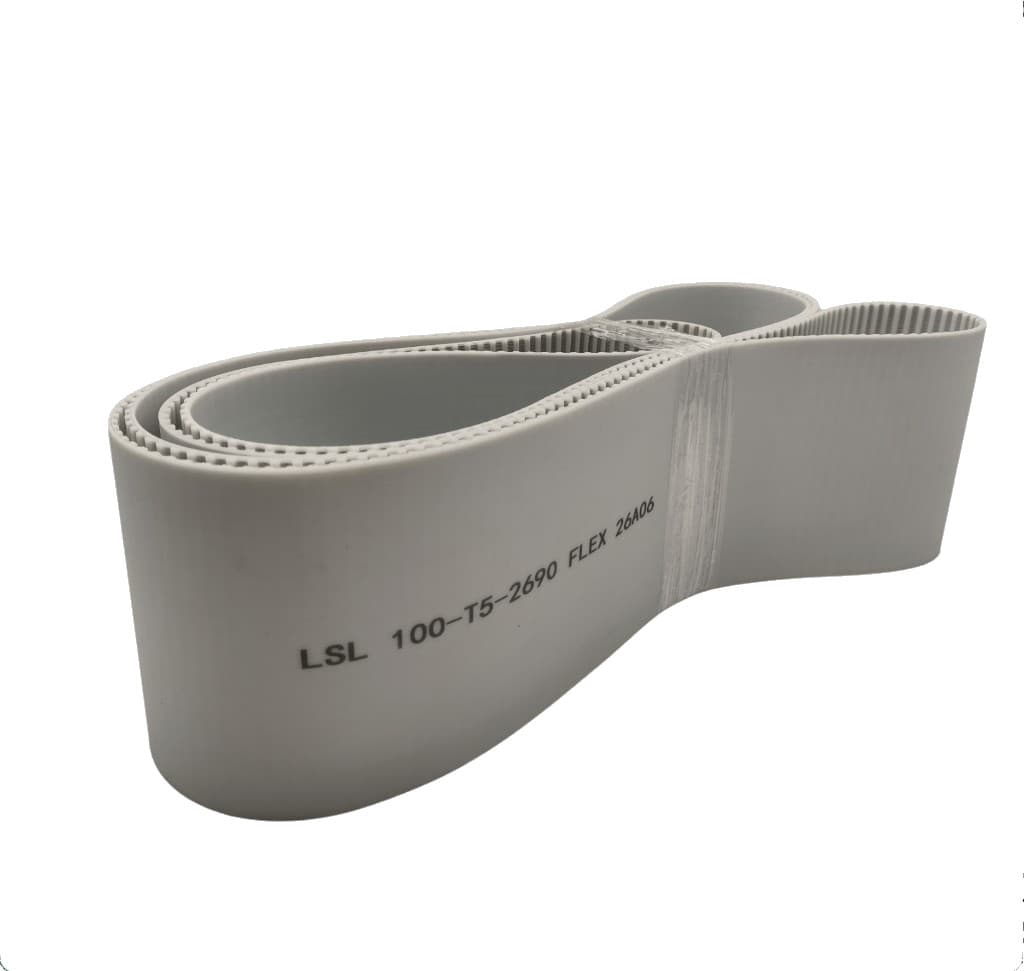
Automation projects need controllable motion, not just transmission
Integrators care about pitch accuracy, acceleration behavior, surfaces, and documentation because belts affect positioning, product handling, and system tuning. Precision projects usually need tighter review earlier.
Common belt directions
Typical equipment
- Indexing axis
- Transfer conveyor
- Guided product-handling module
Typical project snapshot
Common sourcing pattern
Automation sourcing typically starts with application review and belt-surface discussion, then moves into sample validation before line release or wider machine rollout.
Typical sourcing program
Automation sourcing typically starts with application review and belt-surface discussion, then moves into sample validation before line release or wider machine rollout.
Use the current catalogs for baseline review, then move the application into RFQ if you need matching support.
Industry FAQ
Use these checks to decide whether to keep browsing products or move the project into RFQ.
What usually matters most in this industry?
Integrators care about pitch accuracy, acceleration behavior, surfaces, and documentation because belts affect positioning, product handling, and system tuning. Precision projects usually need tighter review earlier.
When should a buyer move into RFQ?
Automation sourcing typically starts with application review and belt-surface discussion, then moves into sample validation before line release or wider machine rollout.
What should be prepared before RFQ?
Indexing or transfer axes where repeatability drives yield and uptime. Conveying positions that need coatings, friction tuning, or special surfaces.
Send RFQ
Need help matching belts for this industry?
If the machine family is clear but the exact belt is not, send the equipment, current reference, and operating condition for review.