Textile machinery
Long runs, vibration, and humidity. Belts must resist fatigue and maintain pitch accuracy across shifts.
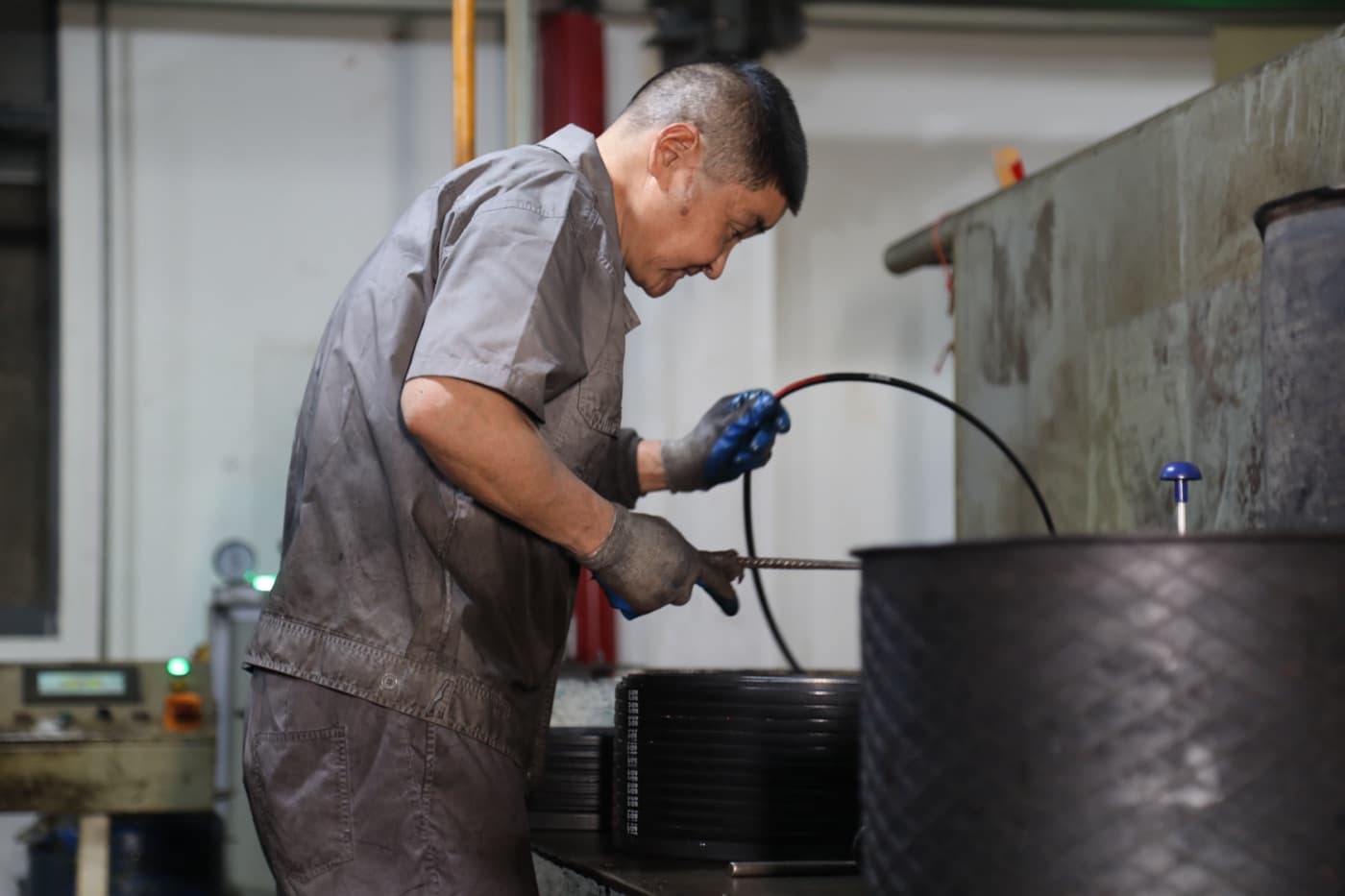
Textile equipment needs more than nominal fit
Long operating hours, vibration, and workshop humidity put belt fatigue and dimensional stability under pressure. Good textile supply is about predictable running behavior over shifts, not just initial installation.
Common belt directions
Typical equipment
- Spinning frame
- Loom drive
- Take-up and transport section
Typical project snapshot
Common sourcing pattern
Textile buyers often start with equivalent replacement work, then move toward repeat supply for lines where downtime and inconsistency are expensive.
Typical sourcing program
Textile buyers often start with equivalent replacement work, then move toward repeat supply for lines where downtime and inconsistency are expensive.
Use the current catalogs for baseline review, then move the application into RFQ if you need matching support.
Industry FAQ
Use these checks to decide whether to keep browsing products or move the project into RFQ.
What usually matters most in this industry?
Long operating hours, vibration, and workshop humidity put belt fatigue and dimensional stability under pressure. Good textile supply is about predictable running behavior over shifts, not just initial installation.
When should a buyer move into RFQ?
Textile buyers often start with equivalent replacement work, then move toward repeat supply for lines where downtime and inconsistency are expensive.
What should be prepared before RFQ?
Continuous operation where fatigue resistance becomes a life-cycle cost issue. Drive positions that need stable pitch accuracy to protect process consistency.
Send RFQ
Need help matching belts for this industry?
If the machine family is clear but the exact belt is not, send the equipment, current reference, and operating condition for review.