Precision timing
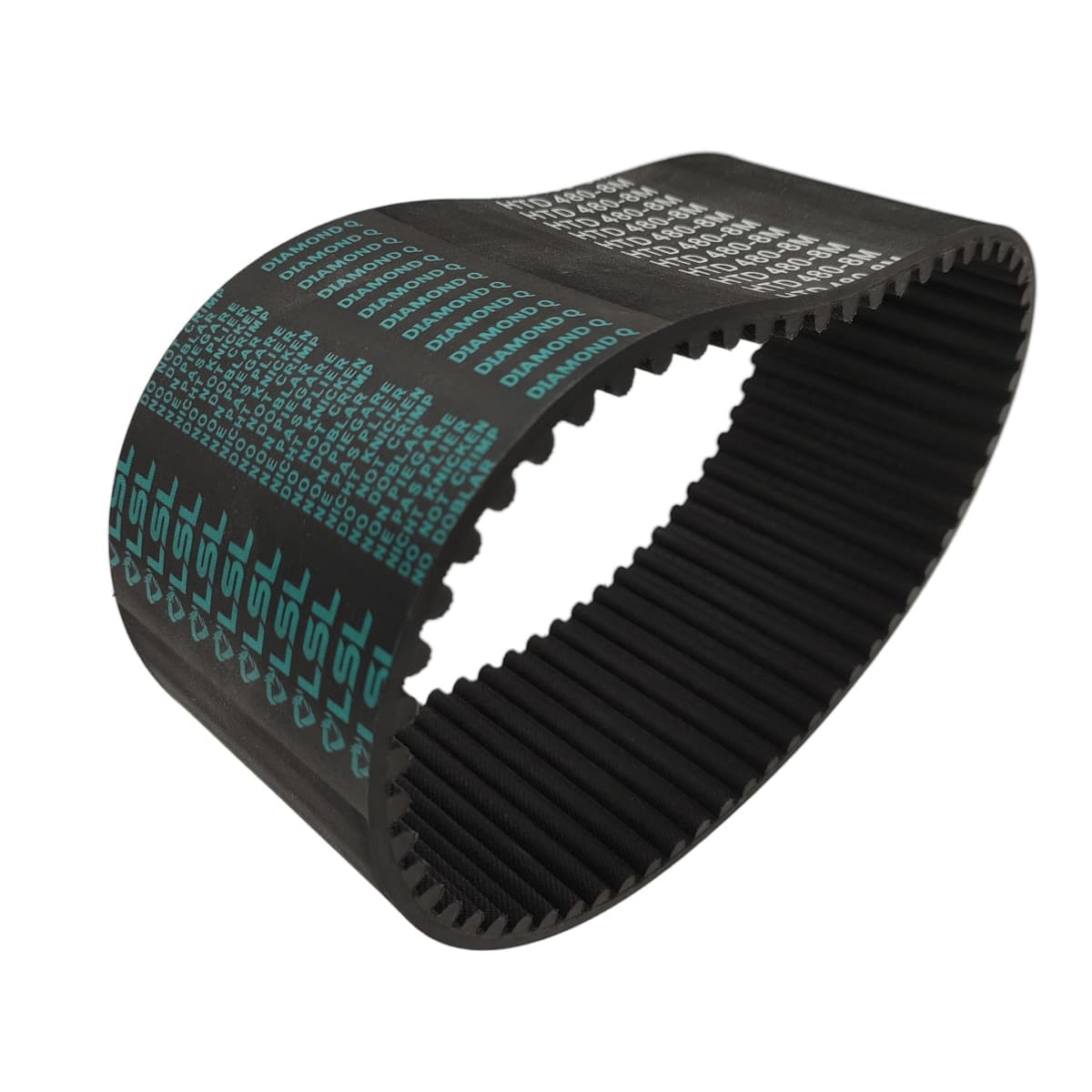
Minimizing backlash and pitch error for indexing and synchronized axes. Timing belts with matched tooling and QC reduce surprises in the field.
Selection Focus
Recommended product families
These products are the closest starting point for this operating condition. Final selection still depends on pulley geometry, length, width, and service environment.
- Start with tooth profile, pitch accuracy, and repeat positioning target.
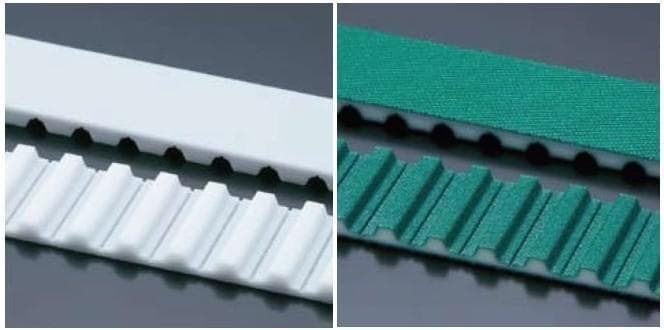
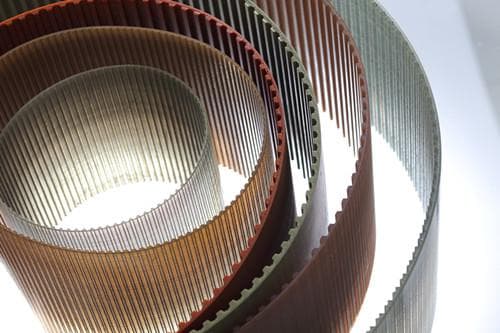
- Decide whether rubber timing, molded endless PU, or open-end fabricated PU suits the axis.
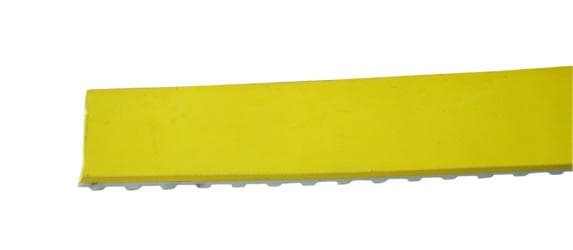
- Review coatings, guides, or cleats if the belt also carries product during positioning.
Recommended Product Directions
Products
These product families are the most relevant starting points for this operating condition. Final selection still depends on structure, dimensions, and real working data.
Solution FAQ
Use these quick checks to decide when to keep browsing and when to move the case into RFQ.
What should be checked first in this operating condition?
Start with tooth profile, pitch accuracy, and repeat positioning target.
When is RFQ better than continuing to browse?
Review coatings, guides, or cleats if the belt also carries product during positioning. These products are the closest starting point for this operating condition. Final selection still depends on pulley geometry, length, width, and service environment.
What inputs make the review faster?
Minimizing backlash and pitch error for indexing and synchronized axes. Timing belts with matched tooling and QC reduce surprises in the field. Decide whether rubber timing, molded endless PU, or open-end fabricated PU suits the axis.
Send RFQ
Need help turning this condition into a belt recommendation?
Send the machine, speed, load, pulley data, and current reference so the team can move from operating condition to an actual belt path.